North America   /   Nature

National Parks of Costa Rica

A compact country with an extraordinary range of protected habitats.

The rocky coast of Manuel AntonioWonder88
The rocky coast of Manuel AntonioPhoto credits →

Summary

Costa Rica’s national parks protect contrasting habitats within a relatively small country. Rainforest, Caribbean wetlands, volcanic landscapes and higher ground support different wildlife communities, giving the region exceptional ecological variety.

Costa Rica provides an unusually rich set of contrasting tropical habitats within a relatively compact country. Skilled guides turn a forest walk into a series of close, revealing encounters.

1–100 · The Original 100

The essentials

Explore the full photo gallery →

Allow time

10 to 14 days

Choose a base

Two or three contrasting park gateways

Getting there

Use San Jose or Liberia as an international gateway according to your route. Connect with road transfers, suitable rental vehicles, domestic flights or boats where needed. Plan the Osa Peninsula as a distinct part of the trip.

Plan ahead

Book official park entry and required guides in advance, especially for Corcovado and popular sites. Keep food secured, never feed animals and use local advice for sea conditions. A rainforest visit needs waterproof protection even in the dry season.

Guide edited 29 September 2026. About practical information

A closer look

Why it stays with you

Manuel Antonio combines forest trails with coastal scenery, while Corcovado on the Osa Peninsula offers a more demanding rainforest experience. The Arenal area adds volcanic landscapes and accessible nature activities, though the volcano should not be treated as a guaranteed display of visible lava.

Skilled local guides make a substantial difference, locating small or well-camouflaged animals and explaining the relationships around them. Allow time for quiet observation and resist the impulse to approach wildlife for a closer photograph. A realistic route also recognises that mountain roads and boat transfers can make travel slower than the country's size suggests.

Background reading: Arenal Volcano · Corcovado National Park · Manuel Antonio National Park.

Explore the collectionThe wild world →

The scope of this entry

What’s included.

  • Guided wildlife walks in contrasting habitats
  • The forest-and-coast setting of Manuel Antonio
  • A carefully planned Osa Peninsula rainforest experience

Make this the moment

The essential experience.

Choose two contrasting habitats and book naturalist-led walks at the times wildlife is most active.

Alex’s journey · VisitedFollow the journey →

Understand the wonder

Choose an ecosystem, not just a park name.

Costa Rica's protected areas include cloud forest, lowland rainforest, volcanic landscapes and coastal habitats. Their wildlife and visiting conditions differ, so the best itinerary follows a few complementary environments. A guide can reveal small, camouflaged or distant subjects that independent visitors easily miss. Rain is part of these ecosystems, and a wet day can still be rewarding when the route and equipment suit. The aim is attentive observation rather than a guaranteed species checklist.

Continue the background reading in the reference links below.

Rainforest around Sirena in Corcovado National Park
Rainforest around Sirena in Corcovado National ParkPhoto: Julio-César Chávez · CC BY 4.0

Slow down. Notice more.

Look for this.

LOOK 1

Changes in forest structure with elevation.

LOOK 2

Epiphytes and small animals.

LOOK 3

The relationship between streams, canopy and forest floor.

Beyond the familiar view

Choose the ecosystem first.

Costa Rica's national parks encompass very different environments. A cloud forest, a lowland forest and a marine or coastal area support different experiences and wildlife. Choosing contrasting habitats deliberately gives the journey a clearer shape.

The choice that changes the visit

Pick a small number of bases, check each park's entry requirements and allow realistic road transfers. A guide can make an ordinary-looking patch of forest much more legible.

Follow the background and visitor sources →
The wild Pacific coast of Corcovado
The wild Pacific coast of CorcovadoPhoto: Bernard Gagnon · CC0

From inspiration to itinerary

Plan your visit

Sources & useful visitor links

Before you set off.

Your ticks stay in this browser. Use the official visitor and reference links below →.

Through the seasons

Get your bearings

A place in the world.

Costa Rica

A place in the world
National Parks of Costa Rica location mapNational Parks of Costa Rica location map

Select the pin to open a detailed map. Use Closer look to see the surrounding region. Drag to move a zoomed map.

Map: Natural Earth

Representative location: Manuel Antonio National Park. This wonder covers a wider area or several sites; the pin is a starting point for exploring. Location reference.

Open a detailed map ↗

A closer view

The places within the place.

Selected sights and gateways to help you understand the area.

3 selected places

Load the street map to zoom and explore. Map imagery is supplied by OpenStreetMap.

  1. 1
  2. 2
    Monteverde Cloud Forest ReserveOpen directions ↗ · Location reference ↗
  3. 3

A wide spread of points usually means separate outings or bases. Use current local guidance for the route between them. Report a map issue ↗

Go a little deeper

Further reading.

UNESCO World Heritage

Understand the designation.

Costa Rica has these listed natural properties. Manuel Antonio and Corcovado are not individually inscribed World Heritage sites.

For tickets, permitted routes and changing access, use the official links in Plan Your Visit. Explore the wider reading list →

Make room for the journey

Combine it with…

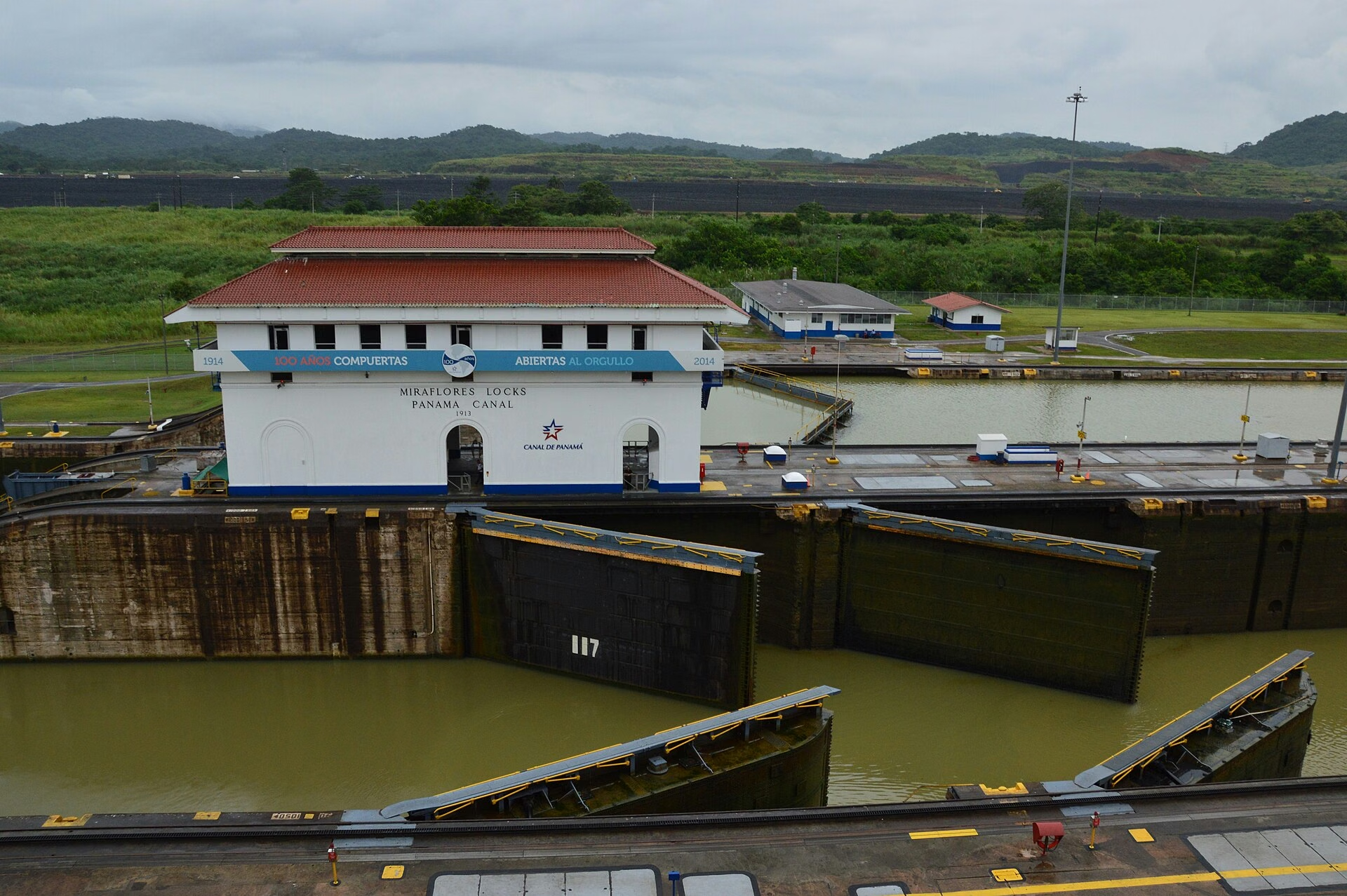
Costa Rica and Panama can form a longer Central American trip. Keep the forest stays and Panama City as separate bases, with a full transfer allowance and the relevant border or flight arrangements.

94

Panama · History

Panama Canal

A working waterway that changes the geography of global trade.